



Initiatives like the odd-even scheme are necessary but there ought to be a transportation network so that the commuter may shift from private to public mode
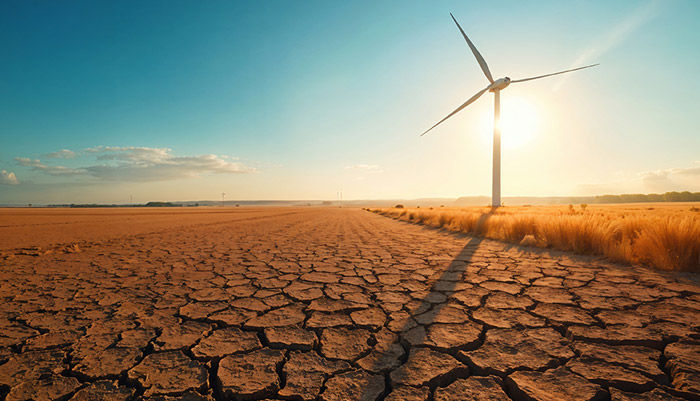
Early summers, short winters, extreme temperatures, scanty rainfall — shifting seasons have become a common phenomenon across the country. The India Meteorological Department’s prediction of a normal monsoon this year, thus, brings a ray of hope. One will not need a scientific study to state the obvious: Environmental stresses are building up every year, which in turn demands urgent responses from civic bodies, corporates and citizens alike. Prime Minister Narendra Modi’s pledge to reduce carbon emissions by 33 per cent by 2030 calls for a fundamental change in our consumption patterns and a structural change in planning.
In this backdrop, the second round of the odd-even scheme in the national capital reminds us to support this initiative in full strength despite the scorching heat. While several oppose this car rationing scheme, many feel that the introduction of such strict laws will help fight pollution which has increased beyond permissible limits in Delhi.
Delhi being the one of the most polluted cities in the world, last year recorded 50 per cent higher levels of PM2.5 during rush hours than during ambient air quality readings. Black carbon, a major pollutant, was found to be three times higher in Delhi. Pollution monitoring stations across the city estimated a reduction of PM2.5 levels during the first 15 days of the odd-even formula. Despite these claims during the last cycle, there were many critics of the scheme. The Ministry of Earth Sciences and the System of Air Quality and Weather Forecasting and Research said that the air pollution levels over the weekend showed a steady decrease.
While we track and monitor air quality to determine the effectiveness of the odd-even scheme every day, it is still very early to calibrate its impact. However, the obvious reduction of cars on the roads is an undisputed positive result. Road rationing, similar to the one being implemented in Delhi, has witnessed varied results across cities in the developing countries. Beijing, which is one of the most polluted cities in the world, first introduced the odd-even measure during the Summer Olympics of 2008. Almost 40 per cent reduction in vehicular emission during the intervention prompted the authorities to continue the rationing of vehicles on the road. Mexico City also carried similar interventions to improve the polluted ambient air quality along with Santiago, Bogota, Rome and Milan.
(The writer is an associate director at IPE Global, an international development consulting group)
Studies show that air quality improves substantially when odd-even is introduced for the first time in all cities. The results after second and subsequent implementation are not so uniform. While Beijing registered more positive impacts, the road rationing programme of Mexico City failed when the scheme was made permanent. In the absence of a sound reliable public transportation network covering the entire city, commuters have little choice but to buy a second car. A study from the University of Michigan gave evidence that the restrictions in the city led to an increase in the total number of old vehicles in circulation and an increase in the overall carbon monoxide levels by 13 per cent, after the scheme was made permanent. Delhi, needs to learn from such experiences to design a more rounded pollution control programme.
To ensure long-term impact, several measures such as a reliable public transportation network, which allows the commuter to shift from a private to public mode, need to be in place. The public transport system should be able to reduce time, cut costs and provide quality transport options. In other words, Government’s effort should be on making an imperative shift from private to public transport, rather than a forced transformation.
The Government can adopt simple drivers of change like higher congestion taxes during peak hours, provide incentives to companies adopting flexi hours or work-from-home options, encourage car pooling by disallowing single passenger/driver car during office hours, build cycle lanes and allow for safe pedestrian movement. Global civilisation has come a full circle. With reduced and degraded common pool resources, decision-makers have a tough task ahead. Lenient environmental policies will not meet the challenge of climate change. The problem we face today may not have one simple solution but the way forward lies in adopting simple, innovative measures which promote lifestyle changes, especially among the rich in developing and developed nations.