

Changing perceptions of health during COVID-19

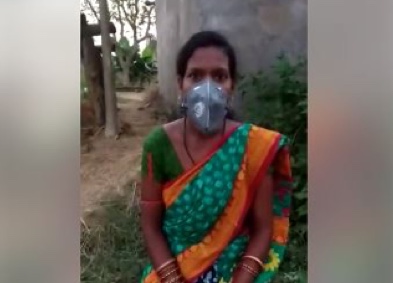
Current pandemic has created an upheaval leaving people worried and confining them to their homes with longer periods spent in social isolation. This impacts their physical and mental health. Day to day events has witnessed a major shift from the usual course. We often hear that ‘Health is Wealth’, which is central to our happiness and well-being. Its true sense is recently realized which informs us about the essential meaning of physical and mental health at all levels. During the first lockdown period (between 5th to 30th April 2020) an online survey was rolled out to understand the common perceptions of health (both physical and mental) through a set of questions. 401 respondents completed the survey across 25 states of India. Platforms like social media (What’s app, Facebook, and Linked in) and email lists were utilized for data collection. A univariate analysis was carried out to unfold the nuances on physical and mental health during the lockdown period due to COVID-19 situation.

Findings from our study showed varied perceptions on physical health. Around 3 in 4 respondents were consuming an increased number of meals. 49% of the males and a little less percentage of females agreed that there has been an increase in working hours due to work from home or household chores. Around 6 in 10 respondents informed watching TV for long hours. Thus, overall physical health was rated ‘average’ by 40% of the respondents (including both males and females).  Regarding mental health, 68% of the respondents were feeling low during the lockdown while 44% shared that they were facing increased stress to managing professional and personal life. Mental health was rated as ‘average’ by nearly 38% of all the respondents. Furthermore, around 4 in 10 respondents reported an increase in mental health issues owing to economic slow-down, regular news updates on mortality and coronavirus spread, insecurity arising due to fear of loss of job, and lack of social circle. Nearly half of the males and urban respondents perceived that women’s workload has increased under lockdown situation.

Maintaining physical and mental health is key to having a healthy life. Regular physical activities benefit both body and mind, thus reducing cognitive and mental health issues. Further, strengthening primary health care with special mental health services, developing support groups/peer counseling services, crisis helplines, can help address some of the emerging physical and mental health needs.
COVID-19

Our Teams Respond

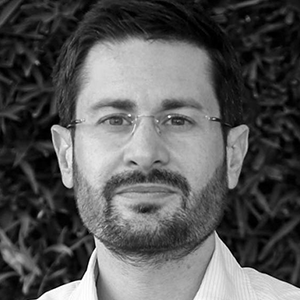
Nikos Papachristodoulou

Chief Operating Officer

Expertise

Partnership Development • Operations Management • Business Development • Project Management • Advocacy • Leadership Development and Change Management

M.K. Padma Kumar is involved in developing strategies and managing operations for the IPE Global Group.

He has over 25 years of experience in the development sector, working in civil society organisations and international development agencies like DANIDA and DFID. As the Head of State Partnerships at the DFID India, he was responsible for developing partnerships, programme design, management and strategic oversight of all programmes implemented in Bihar, Madhya Pradesh and Odisha. He has managed various development programmes. His expertise lies in driving operational, financial and programmatic transformations. Before DFID, he was associated with Danish International Development Agency (DANIDA), Help Age and World Wildlife Fund.

He holds a Master’s degree in Business Management with specialisation in Human Resource Management and Finance. He is extensively trained in Project Cycle Management, Grant Management, Performance Management, Leadership Skills and Change Management.


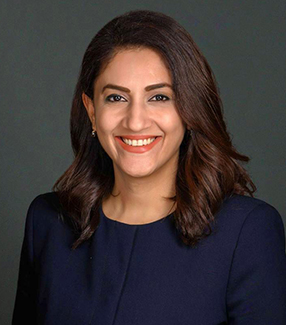
Abdul Rahim

Chief Knowledge Officer

Expertise

Management Consulting • Finance • Governance • Change Management • Knowledge Management • ICT4D • Communications • Business Strategy

Abdul Rahim is a senior development professional with over 20 years of experience across diverse sectors, including urban, health, rural & social development, and IT & e-governance. He has led several large, multi-year, multi-departmental projects such as the Health Systems Development Initiative (HSDI) for the Government of West Bengal; Odisha Modernising Economy, Governance & Administration (OMEGA) programme for the Government of Odisha, and Growth Resources and Opportunities for Wealth Creation (GROW) with the Government of Bihar.

He played a key role as the Quality Monitoring and Evaluation Expert in the DFID-supported Knowledge Partnership Programme (KPP), Knowledge Management (KM) and M&E Specialist in USAID-supported SAMRIDH and SAMVEG Projects. He has served as the Cross-Learning Platform Expert for the BMGF-supported WeCan programme. He has been an advisor to several government agencies throughout India and internationally across Bangladesh, Afghanistan and Jordan.

He holds a Post Graduate Diploma in Business Management from XLRI Jamshedpur (India). He is an accredited Management Teacher from AIMA. He’s a a certified Trainer, NLP Practitioner and a member of Toastmasters International & Junior Chamber International.

LIFE AT IPE

Learning &
Development (L&D)

We inspire people to be better.

Our intuitive and personalised programmes provide clear path for growth, leadership development, and help people sharpen their skills.

0 %
People trained in last 3 years
0 %
Participation in L&D Initiatives in 2021

Your journey starts from Day One….

Structured Onboarding

Helps align expectations and lays the foundation for your success

New Hire Training

Makes you familiar with the organisation; helps you settle down in a new work environment

Customized L&D Platform

Helps upskill at your own pace through continuous learning and training programmes

Linkage with
Performance Management

Aligns resources and training needs based on your skill set

Learning is not always a formal process. We also align our organisation values to a culture of learning