

The hidden cost of a plastic planet

Jeswin Varughese

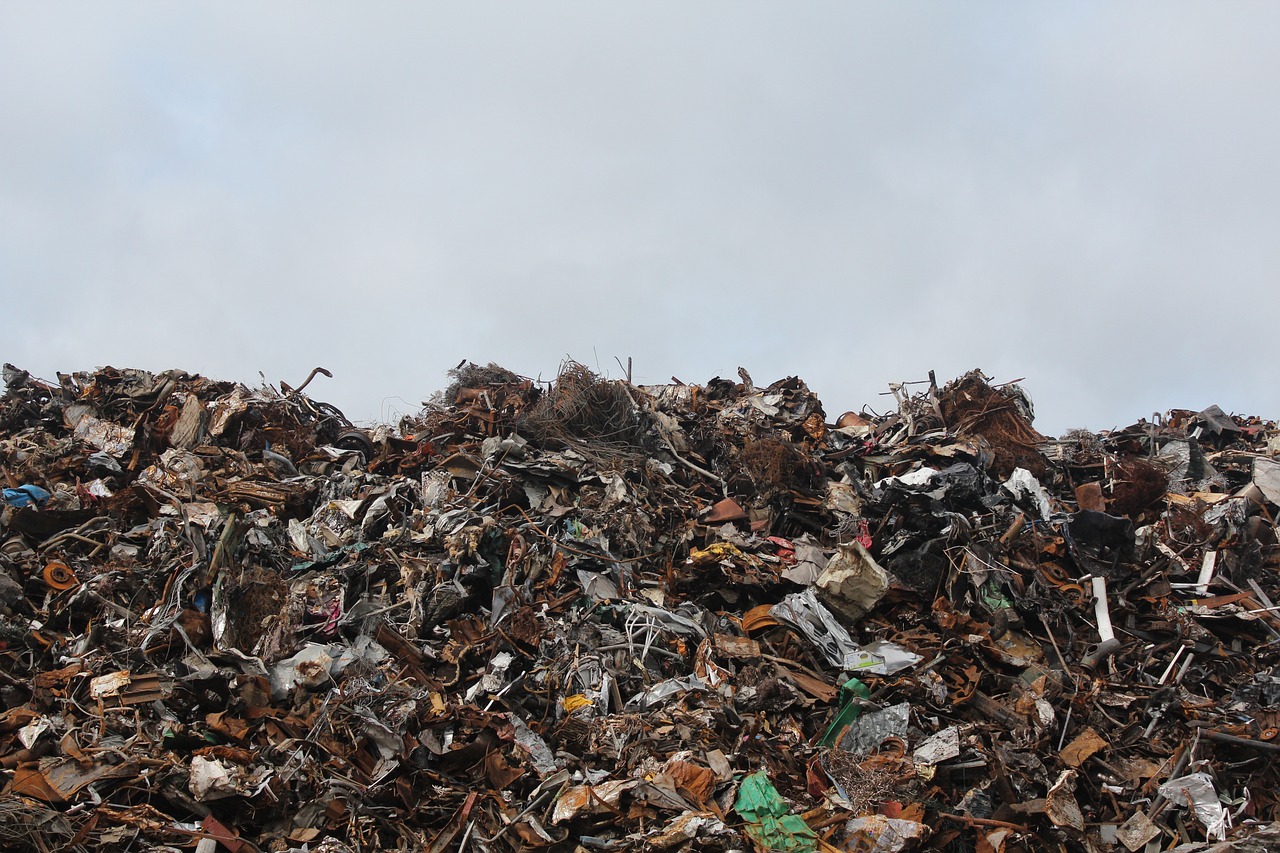
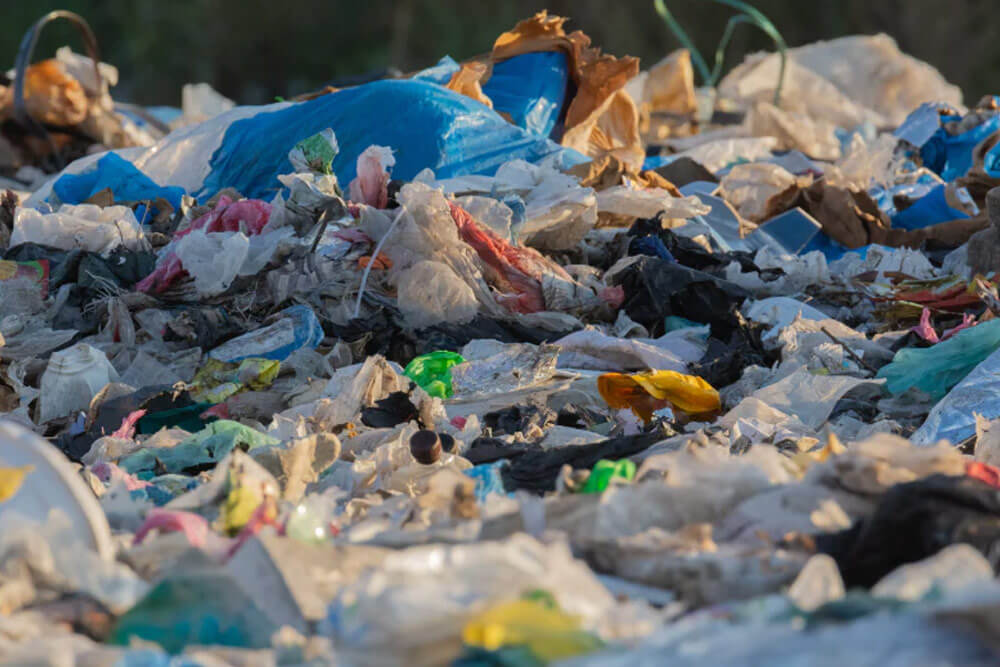
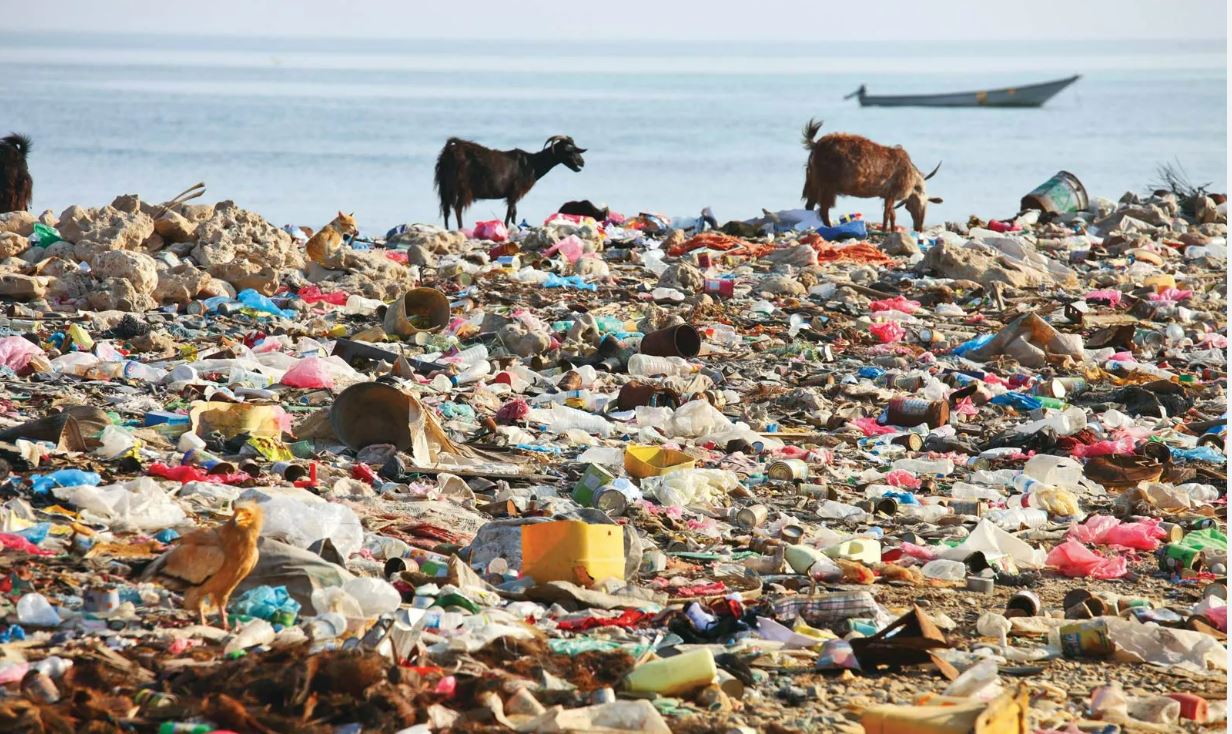
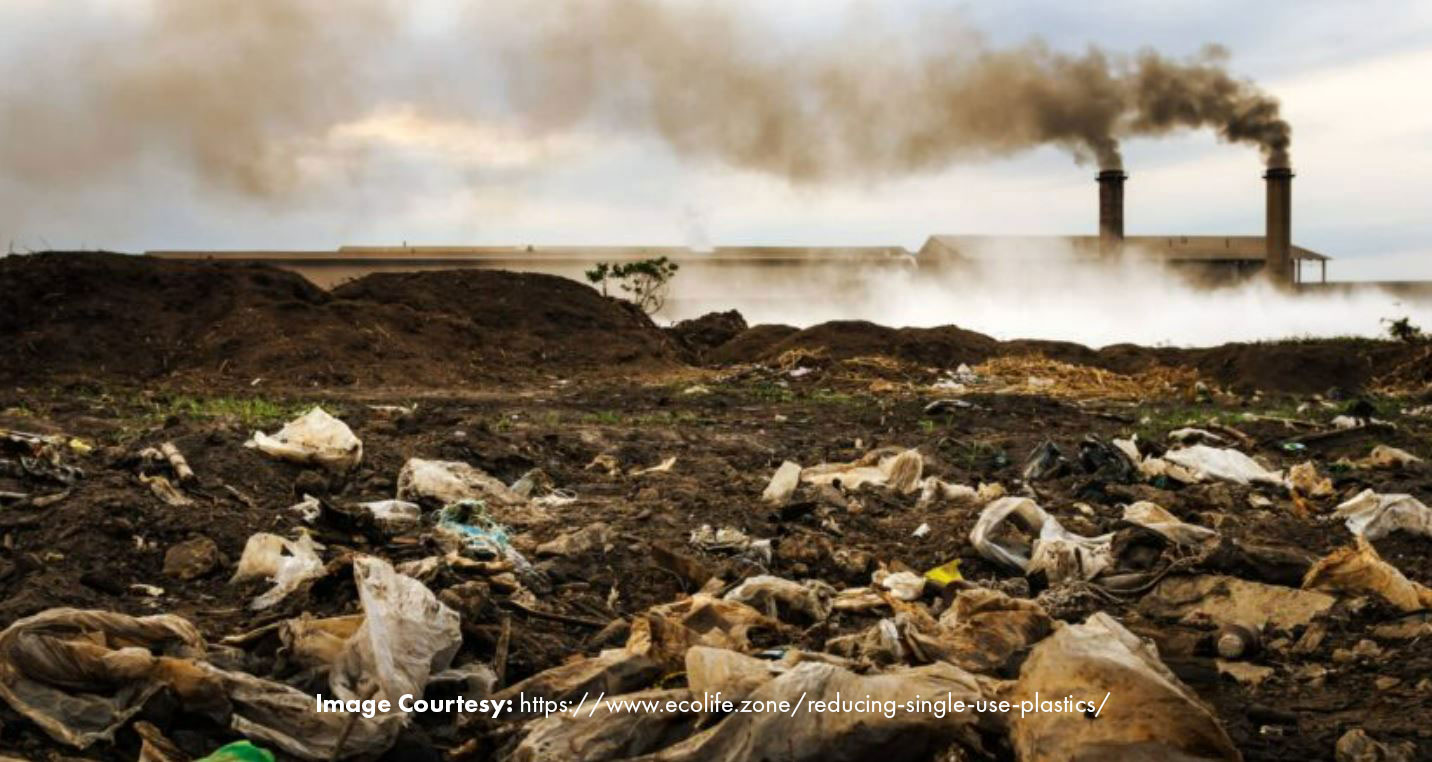
Plastic pollution is one of the significant contributors of air pollution. This is mainly due to the extraction of raw materials, its burning, and inadequate waste disposal. According to the United States Environmental Protection Agency, burning plastics is the worst possible end-of-life management approach for plastics from a climate perspective. Nowadays, Particulate Matter (PM) is the most common and prominent air pollutant. It is found that air pollution from PM takes 2.2 years off the global average life expectancy. Exposure to even low levels of PM has the potential to cause serious harm to humans, the natural and built environment, and is also one of the leading causes of climate change.

In India, more than 63 percent of the population lives in areas with PM concentration that exceeds the National Ambient Air Quality Standards. To deal with this, the Government of India launched the National Clean Air Programme (NCAP) in 2019. The programme aims to reduce PM concentration by 20-30 percent by implementing innovative city-level air pollution control strategies. As part of NCAP, IPE Global was appointed by GIZ for developing Viable Technical Solutions for Planning a Low Emission Zone (LEZ) at Lingaraj Temple Area (EkamraKshetra Heritage Zone) in Bhubaneshwar, Odisha.(A Low Emission Zone (LEZ) is a specified area within which certain pollution-causing activities are regulated to improve air quality) The LEZ is seen as a potential solution to reducing air pollution levels within acceptable standards. The proposed measures will help in improving the overall air environment of the EkamraKshetra Heritage Zone. LEZ will also act as a model for similar interventions across the city, laying the groundwork for overall air pollution reduction across Bhubaneswar. The project aims to fast-track India’s net-zero aspirations and would also help achieve SDG 3 (Good Health and Well-Being), SDG 11 (Sustainable Cities and Communities), and SDG 13 (Climate Action).

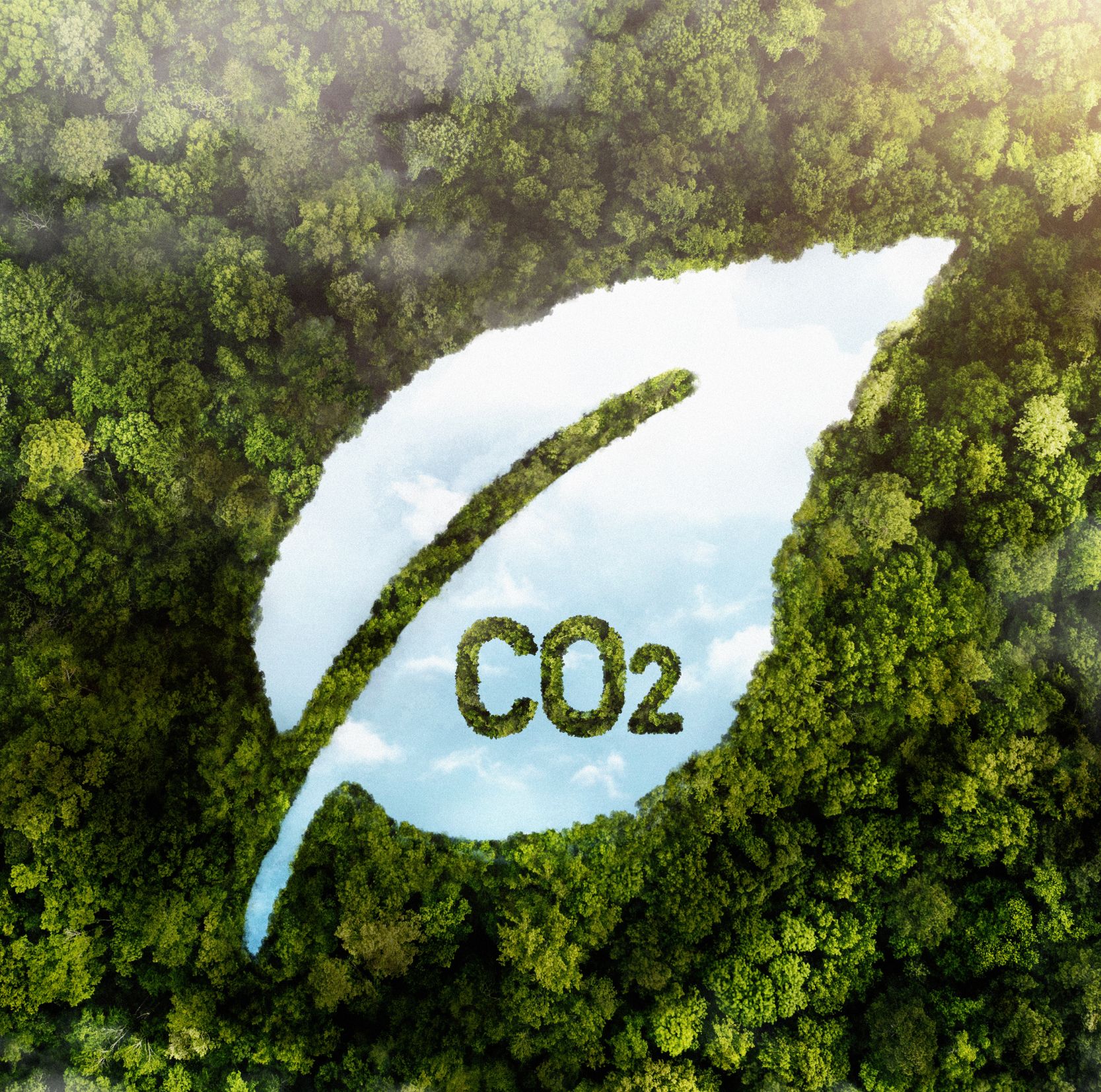
Image Courtesyhttps://www.ecolife.zone/reducing-single-use-plastics/
FROM THE DESK

Latest Blogs

Nikos Papachristodoulou

Chief Operating Officer

Expertise

Partnership Development • Operations Management • Business Development • Project Management • Advocacy • Leadership Development and Change Management

M.K. Padma Kumar is involved in developing strategies and managing operations for the IPE Global Group.

He has over 25 years of experience in the development sector, working in civil society organisations and international development agencies like DANIDA and DFID. As the Head of State Partnerships at the DFID India, he was responsible for developing partnerships, programme design, management and strategic oversight of all programmes implemented in Bihar, Madhya Pradesh and Odisha. He has managed various development programmes. His expertise lies in driving operational, financial and programmatic transformations. Before DFID, he was associated with Danish International Development Agency (DANIDA), Help Age and World Wildlife Fund.

He holds a Master’s degree in Business Management with specialisation in Human Resource Management and Finance. He is extensively trained in Project Cycle Management, Grant Management, Performance Management, Leadership Skills and Change Management.

 
LIFE AT IPE

Learning &
Development (L&D)

We inspire people to be better.

Our intuitive and personalised programmes provide clear path for growth, leadership development, and help people sharpen their skills.

0 %
People trained in last 3 years
0 %
Participation in L&D Initiatives in 2021

Your journey starts from Day One….

Structured Onboarding

Helps align expectations and lays the foundation for your success

New Hire Training

Makes you familiar with the organisation; helps you settle down in a new work environment

Customized L&D Platform

Helps upskill at your own pace through continuous learning and training programmes

Linkage with
Performance Management

Aligns resources and training needs based on your skill set

Learning is not always a formal process. We also align our organisation values to a culture of learning