



Hilina Yalem
Hilina Yalem is a consultant at Triple Line Consulting with expertise in qualitative and mixed-methods research, including tool development, stakeholder engagement, data collection, analysis, reporting, and dissemination of findings. Her work focuses across Ethiopia.
Climate change isn’t just a distant threat- it’s a daily reality for communities across Africa. From longer droughts to sudden floods and growing food insecurity, the continent is feeling the pressure. But while global strategies often focus on high-tech solutions and sweeping policies, there’s a powerful resource that’s sometimes overlooked: the deep, place-based knowledge of Indigenous communities.
As Stanley-Jones (2025) points out, resilience isn’t just about adapting- it’s about understanding the land through lived experience. Indigenous communities have been doing this for generations. Their connection to nature allows them to notice subtle changes in the environment, often more accurately than satellite data or external forecasts. These local systems aren’t static; they evolve over time, shaped by the rhythms of the land and the wisdom passed down through stories, rituals, and shared practices.
Yet, according to a 2025 UN report, there’s a serious disconnect. Many global climate strategies don’t align with the perspectives of Indigenous Peoples and local communities. This mismatch can lead to solutions that don’t fit, and sometimes even disrupt the traditional ways people have learned to cope with climate change.
Across Africa, we see powerful examples of traditional knowledge in action. Farmers in Zimbabwe and pastoralists in Kenya use seasonal cues, oral histories, and community-based resource sharing to manage droughts and floods. These methods are grounded in reality and tailored to local conditions- something that top-down approaches often miss. When Indigenous knowledge is integrated into climate planning, the results speak for themselves. In places like the Sahel and the Horn of Africa, community-led projects have helped restore degraded land, improve food security, and bring people together. As Tashi Dorji et al. (2024) emphasise, real progress happens when Indigenous voices aren’t just heard- they’re part of the decision-making process.
To make this shift, we need to create space for Indigenous communities to lead. That means recognising their expertise, embedding their knowledge into national frameworks, and building systems that support, not replace, their ways of life.
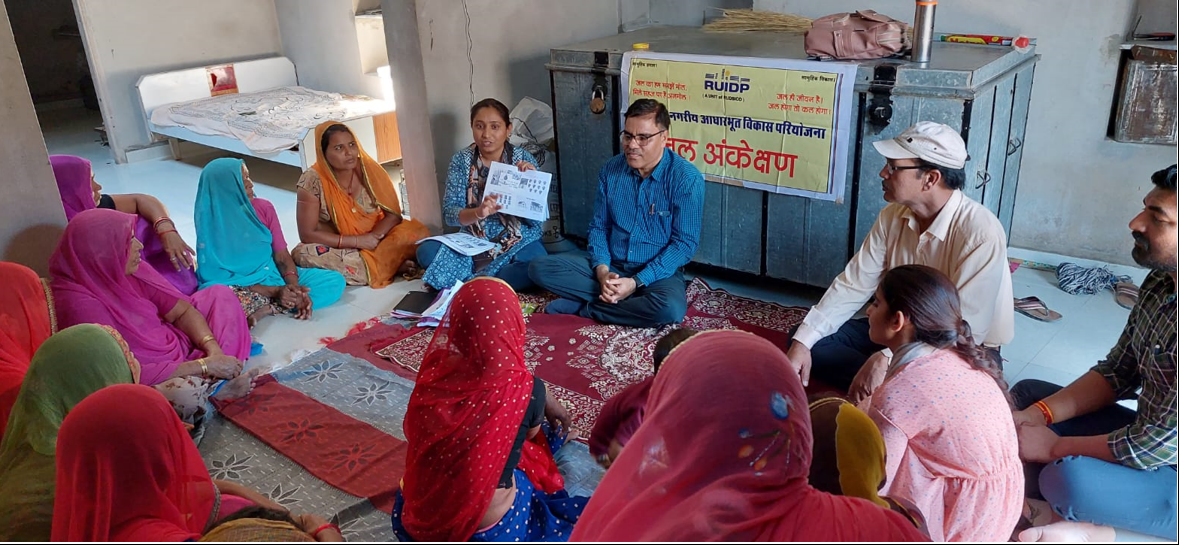
One inspiring example comes from the Mekong region, where the “Voices for Mekong Forests” (V4MF) project has been working to strengthen the role of non-state actors in forest governance. Conducted by Triple Line, the initiative helps forest-dependent communities monitor and protect their landscapes, respond to policy challenges, and build capacity through tools like the Forest Governance Monitoring System (FGMS).
While the context in Southeast Asia may differ from Africa, the lesson is universal: when communities are respected, trusted, and equipped, they become drivers of resilience. The experience from the Mekong region reminds us that real climate resilience doesn’t come from distant decisions but begins in the hands of those who live closest to the land. When people are empowered to lead, they don’t just weather the storm- they bring their own wisdom, strength, and solutions to the table. They show us what it truly means not just to survive climate change, but to build a future that is fairer, stronger, and grounded in the realities of those most affected.
Therefore, forging meaningful partnerships with Indigenous communities is not only a strategic necessity but a moral imperative for climate resilience in Africa- these collaborations bring together generations of ecological wisdom, foster inclusive and culturally grounded solutions, and lead to more sustainable, community-driven outcomes (Dorji et al., 2024; Ebhuoma, 2024; Leal Filho et al., 2023).
References
- Dorji, T., Rinchen, K., Morrison-Saunders, A., Blake, D., Banham, V., & Pelden, S. (2024). Understanding how Indigenous knowledge contributes to climate change adaptation and resilience.
- Ebhuoma, E. E. (2024). Indigenous knowledge and natural infrastructure resilience to climate change in developing countries.
- FAO. (2010). Indigenous Peoples’ Knowledge and Climate Change Adaptation in Africa.
- Leal Filho, W., et al. (2021). Indigenous knowledge and climate change in Africa. Sustainability, 13(10).
- Palmer, C. (2025, March 25). The benefits of culturally responsive community-based research partnerships. American Psychological Association.
- Stanley-Jones, L. (2025). Place-Based Resilience in the Global South. UNEP.
- Tashi Dorji, S., et al. (2024). Participatory Climate Governance and Indigenous Knowledge. Journal of Adaptation and Resilience.