


The National Education Policy 2020 has been in the news for various reasons. The policy lists out radical changes to the education structure at all levels. A lot of the proposed changes have sparked debates on whether they are beneficial to all, or only for a select group of people. From structure of schooling to medium of schooling, a lot has been covered in this exhaustive 64-page policy document.
It does however bring to light the missed opportunities of looking at the health and nutrition aspect of students in this policy, yet again. The NEP puts a fair amount of focus on Early Childhood Care and Education (ECCE). It proposes for ECCE to be covered by Right to Education (RTE). NCERT will be the nodal institute to make the curriculum for ECCE more robust for the proper cognitive development of a child. This is being termed as the National Curricular and Pedagogical Framework for Early Childhood Care and Education (NCPFECCE). Nutrition is an important contributor to the cognitive development of children, and needs to be taken in consideration. Along with continuous curriculum-based evaluation, it is also necessary to set uniform standards and defining milestones for growth of children between ages 3-6 and evaluate the same. This will help set the nutrition trajectory of the children from early on, reducing the chances of undernutrition, or overnutrition.
The role of Anganwadi Centres becomes even more crucial to provide quality ECCE. For this model Anganwadi Centres need to be promoted. There should be a Standard Operating Procedure for all AWCs to standardise the service provided at AWCs and have uniform infrastructure in place at all AWCs.
A big challenge to promote and make ECCE a success is the reluctance of a lot of parents across different socio-economic backgrounds, to enrol their kids in a Pre-School for various reasons. An in-depth study is needed to be conducted to analyse what are the biggest motivators for parents to enrol their children in pre-schools. This will help identify the gaps in current pre-schools programmes and make it more attractive for parents and kids.
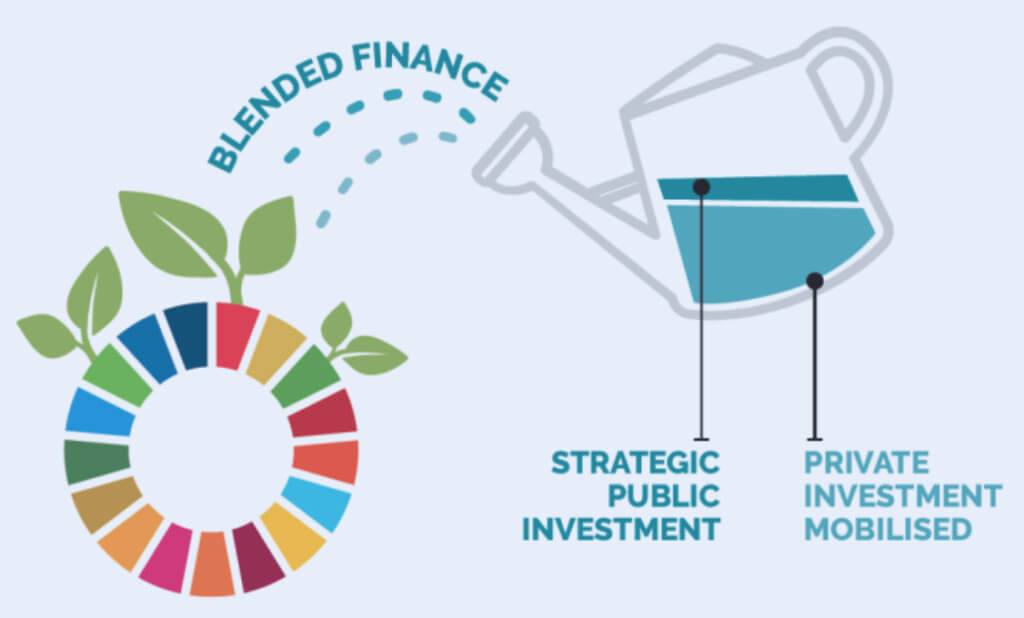
For this, a road plan for consistent funding into pre-primary education is required. The Government should increase its own spending and look at the possibility of bringing in more private players and CSR money. More funding and effort will be needed to build the capacities of AWWs as well. The Government can adapt the E-ILA that trains AWW online on nutrition to include teaching aspects of ECCE. While the policy lays down that early childhood education will be a collaborative effort between the ministries of Education, Women and Child Development, Health and Family Welfare, and Tribal Affairs, there also needs to be a more coordinated and cohesive better convergence plan between these departments.