
When the ‘I’ of mental illness is replaced by ‘WE’ it is wellness

May is recognised globally as the mental health awareness month, providing an opportunity for reflection and collective action to address the stigma from preventing individuals from getting the care they need. The purpose is to raise awareness of struggles people are dealing with and to observe their recovery and progress. Mental illness is one of the most significant challenges we face as a collective, and it also points to a substantial opportunity for us to show our best. It has never been higher on the agenda for businesses. The pandemic has shown us that mental health conditions can affect everyone. Perhaps this realisation has had a knock-on effect on our acceptance of mental illness. 

Globally, an estimated 280 million people suffer from depression, one of the leading causes of disability, with many of these people also suffering from symptoms of anxiety. A 2018 WHO-led study estimates that depression and anxiety disorders cost the global economy US$ 1 trillion each year in lost productivity. Unemployment is a well-recognised risk factor for mental health problems. A negative working environment may lead to physical and mental health problems, absenteeism and lost productivity. Workplaces that promote mental health and support people with mental disorders are more likely to reduce absenteeism, increase productivity and benefit from associated economic gains. Early evidence of the pandemic’s impact with the global corporate wellness market forecast to reach $66 billion by 2022, many employees will be familiar with the range of workplace mental health initiatives that a growing number of businesses offer their staff – from yoga and fitness challenges to flexible working hours. But despite the prevalence of different approaches, we’re yet to understand what works, for who, and why. 

What employees are looking for 

The complexity of workplace mental health issues requires complex and considered solutions – there is no quick fix or “one size fits all” approach. For a smoother transition, the employee is in search of new, unique and customised options to become the master of its professional destiny. They wish to be provided with a tailored fit combining the robustness of real-world interaction with the spatial and temporal convenience of the online mode. They are looking for flexible work arrangements to maintain work-life balance as it attempts to make sense of the ‘normal’ in an entirely novel light. 

How are the employers pitching in 

Employers across the world are endeavouring to provide this flexibility in the form of a new hybrid work model that was conceived during the pandemic. With technological advancements and innovative solutions, organisations are now one-step closer to achieving this unique interface and saving both employee travel time and infrastructure costs. 

More and more companies are investing in technology post the pandemic. We are conscious if this and, through our wellness initiatives are providing access to psychologists, doctors, mental health apps and a safe space to support employees with their mental health concerns. As a company we have also engaged with MeraDoc, a 24*7 dedicated, personalised, and inherently integrated healthcare delivery platform.

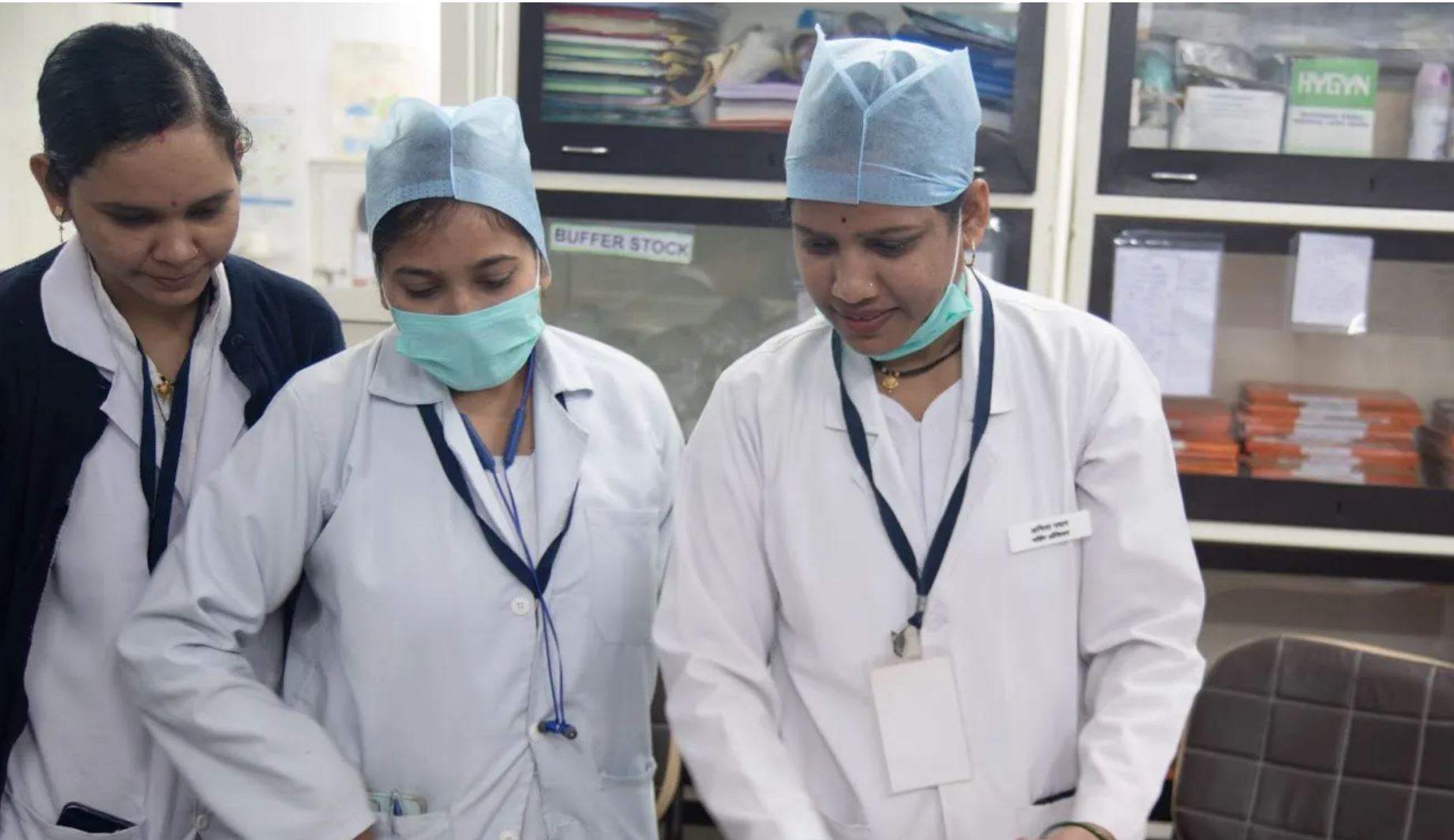
Nikos Papachristodoulou

Chief Operating Officer

Expertise

Partnership Development • Operations Management • Business Development • Project Management • Advocacy • Leadership Development and Change Management

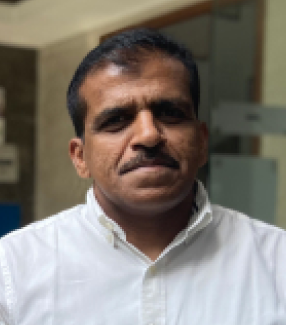
M.K. Padma Kumar is involved in developing strategies and managing operations for the IPE Global Group.

He has over 25 years of experience in the development sector, working in civil society organisations and international development agencies like DANIDA and DFID. As the Head of State Partnerships at the DFID India, he was responsible for developing partnerships, programme design, management and strategic oversight of all programmes implemented in Bihar, Madhya Pradesh and Odisha. He has managed various development programmes. His expertise lies in driving operational, financial and programmatic transformations. Before DFID, he was associated with Danish International Development Agency (DANIDA), Help Age and World Wildlife Fund.

He holds a Master’s degree in Business Management with specialisation in Human Resource Management and Finance. He is extensively trained in Project Cycle Management, Grant Management, Performance Management, Leadership Skills and Change Management.


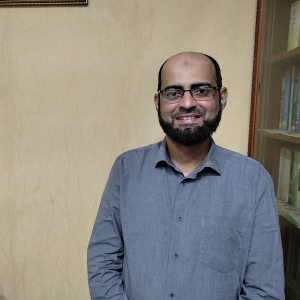
Abdul Rahim

Chief Knowledge Officer

Expertise

Management Consulting • Finance • Governance • Change Management • Knowledge Management • ICT4D • Communications • Business Strategy

Abdul Rahim is a senior development professional with over 20 years of experience across diverse sectors, including urban, health, rural & social development, and IT & e-governance. He has led several large, multi-year, multi-departmental projects such as the Health Systems Development Initiative (HSDI) for the Government of West Bengal; Odisha Modernising Economy, Governance & Administration (OMEGA) programme for the Government of Odisha, and Growth Resources and Opportunities for Wealth Creation (GROW) with the Government of Bihar.

He played a key role as the Quality Monitoring and Evaluation Expert in the DFID-supported Knowledge Partnership Programme (KPP), Knowledge Management (KM) and M&E Specialist in USAID-supported SAMRIDH and SAMVEG Projects. He has served as the Cross-Learning Platform Expert for the BMGF-supported WeCan programme. He has been an advisor to several government agencies throughout India and internationally across Bangladesh, Afghanistan and Jordan.

He holds a Post Graduate Diploma in Business Management from XLRI Jamshedpur (India). He is an accredited Management Teacher from AIMA. He’s a a certified Trainer, NLP Practitioner and a member of Toastmasters International & Junior Chamber International.

LIFE AT IPE

Learning &
Development (L&D)

We inspire people to be better.

Our intuitive and personalised programmes provide clear path for growth, leadership development, and help people sharpen their skills.

0 %
People trained in last 3 years
0 %
Participation in L&D Initiatives in 2021

Your journey starts from Day One….

Structured Onboarding

Helps align expectations and lays the foundation for your success

New Hire Training

Makes you familiar with the organisation; helps you settle down in a new work environment

Customized L&D Platform

Helps upskill at your own pace through continuous learning and training programmes

Linkage with
Performance Management

Aligns resources and training needs based on your skill set

Learning is not always a formal process. We also align our organisation values to a culture of learning