


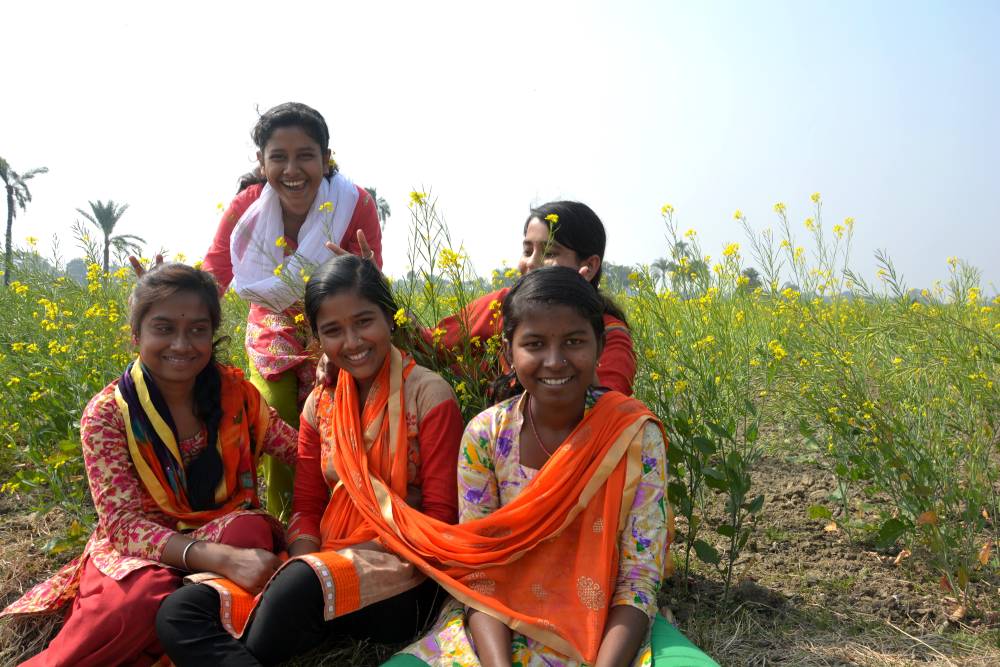
One of the most promising approaches to averting teenage pregnancies is investment in girls’ progression from primary to secondary school. In India, decisions about schooling, marriage and childbearing are made jointly and often poorly in the case of girls belonging to marginalised families. Marrying a daughter—‘paraya dhan’—is a generally considered household strategy to cope with economic insecurity. Global development organisations, research institutes, and think tanks all emphasise the importance of recognising and replicating region and context-specific child marriage and teenage childbearing prevention strategies. Rajasthan, a part of the Empowered Action Group (EAG) states, offers a fresh lens on adolescent programming to improve sexual and reproductive (SRH) outcomes.



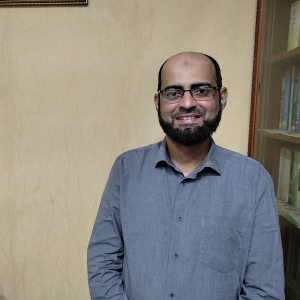
M.K. Padma Kumar is involved in developing strategies and managing operations for the IPE Global Group.
He has over 25 years of experience in the development sector, working in civil society organisations and international development agencies like DANIDA and DFID. As the Head of State Partnerships at the DFID India, he was responsible for developing partnerships, programme design, management and strategic oversight of all programmes implemented in Bihar, Madhya Pradesh and Odisha. He has managed various development programmes. His expertise lies in driving operational, financial and programmatic transformations. Before DFID, he was associated with Danish International Development Agency (DANIDA), Help Age and World Wildlife Fund.
He holds a Master’s degree in Business Management with specialisation in Human Resource Management and Finance. He is extensively trained in Project Cycle Management, Grant Management, Performance Management, Leadership Skills and Change Management.