

2016

-2017

Democratic Governance Facility: Contributing to equitable growth in Uganda

Democratic Governance Facility (DGF)

Democratic Governance Facility (DGF): Contributing to equitable growth in Uganda

Democratic Governance Facility (DGF)

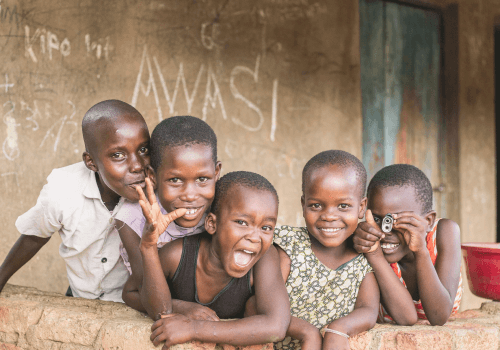
Aimed at providing harmonised, coherent and well-coordinated support to state and non-state entities to strengthen democratisation, protect human rights, improve access to justice and enhance accountability in Uganda, the Democratic Governance Facility (DGF) was established as a five-year governance programme in July 2011.

Aimed at providing harmonised, coherent and well-coordinated support to state and non-state entities to strengthen democratisation, protect human rights, improve access to justice and enhance accountability in Uganda, the Democratic Governance Facility (DGF) was established as a five-year governance programme in July 2011. Phase I of the programme (ended in 2016) contributed to equitable growth, poverty eradication, rule of law and long-term stability. 

To build on the achievements of Phase I and consolidate and refocus DGF interventions to allow for a stronger and more coherent strategic push for democratic governance change, we assisted the development partners in designing the form and content of Phase II of DGF. This was done amidst an increasingly challenging context allowing for new strategic partnerships in Uganda. The second phase of DGF is underpinned by strengthened democratic processes that responded to citizens’ rights, strengthened rule of law and improved access to justice, increased protection and fulfilment of human rights and gender equality, and improved citizens’ inclusion and engagement in decision-making processes.

Key Outcomes

  • Strengthening democratic processes that respond to citizens’ rights
  • Improving citizens’ inclusion and engagement in decision-making processes
  • Strengthening rule of law and improve access to justice for all citizens
  • Increasing protection and fulfillment of human rights and gender equality


FROM THE DESK

Latest Projects

Nikos Papachristodoulou

Chief Operating Officer

Expertise

Partnership Development • Operations Management • Business Development • Project Management • Advocacy • Leadership Development and Change Management

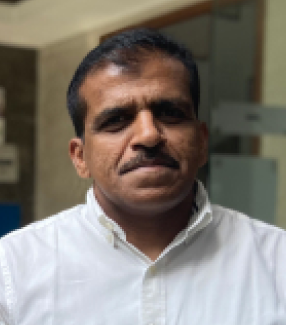
M.K. Padma Kumar is involved in developing strategies and managing operations for the IPE Global Group.

He has over 25 years of experience in the development sector, working in civil society organisations and international development agencies like DANIDA and DFID. As the Head of State Partnerships at the DFID India, he was responsible for developing partnerships, programme design, management and strategic oversight of all programmes implemented in Bihar, Madhya Pradesh and Odisha. He has managed various development programmes. His expertise lies in driving operational, financial and programmatic transformations. Before DFID, he was associated with Danish International Development Agency (DANIDA), Help Age and World Wildlife Fund.

He holds a Master’s degree in Business Management with specialisation in Human Resource Management and Finance. He is extensively trained in Project Cycle Management, Grant Management, Performance Management, Leadership Skills and Change Management.

 
LIFE AT IPE

Learning &
Development (L&D)

We inspire people to be better.

Our intuitive and personalised programmes provide clear path for growth, leadership development, and help people sharpen their skills.

0 %
People trained in last 3 years
0 %
Participation in L&D Initiatives in 2021

Your journey starts from Day One….

Structured Onboarding

Helps align expectations and lays the foundation for your success

New Hire Training

Makes you familiar with the organisation; helps you settle down in a new work environment

Customized L&D Platform

Helps upskill at your own pace through continuous learning and training programmes

Linkage with
Performance Management

Aligns resources and training needs based on your skill set

Learning is not always a formal process. We also align our organisation values to a culture of learning