


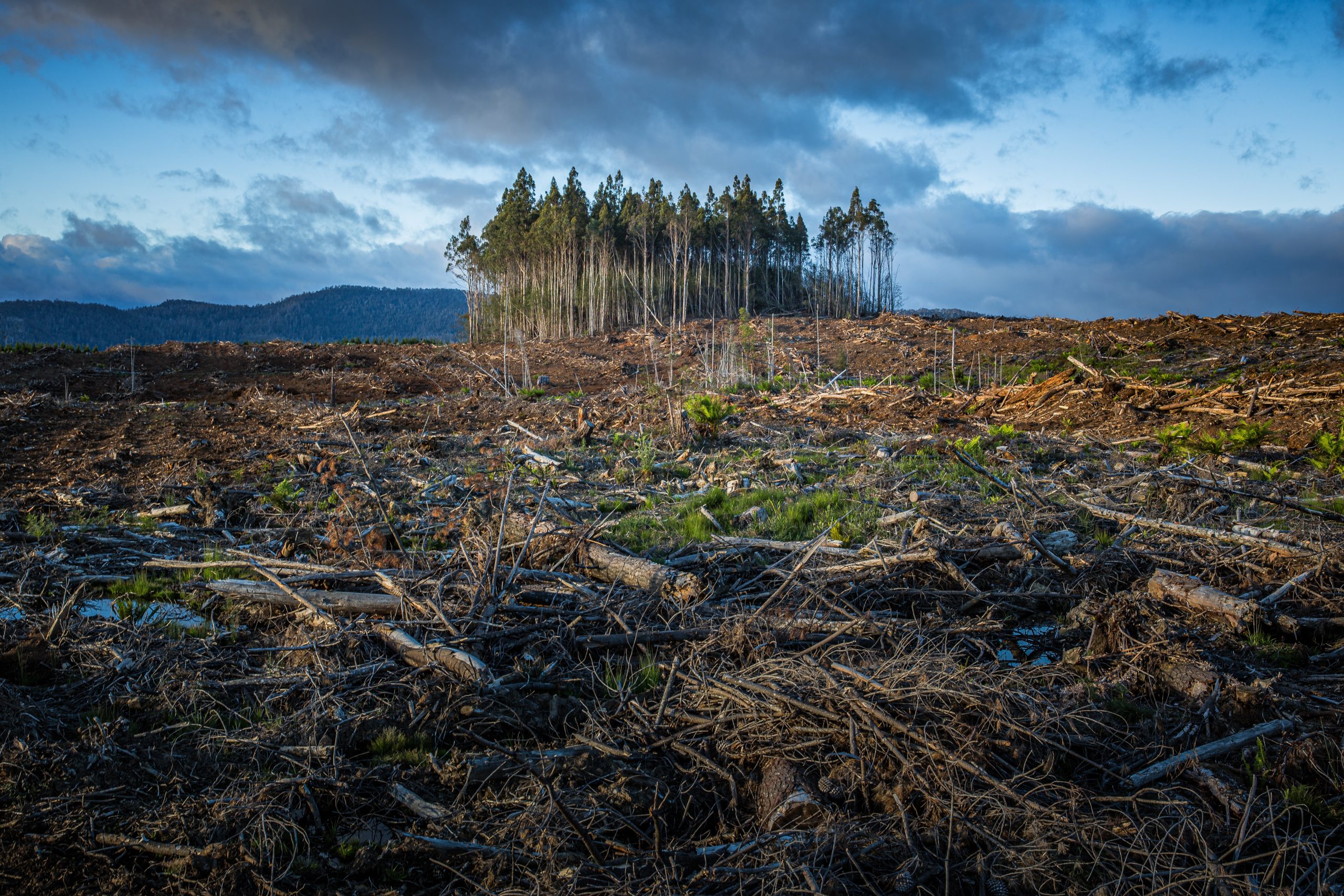
Climate change’s toll on global health is raving lives and livelihoods by breaching all thresholds. The extensive and pervasive consequences of climate change on human health are going to exacerbate in the coming years. There is already a thirty per cent increase in heat-related mortality across South Asia, and India is no exception due to the increased frequency and intensity of heat waves. Lancet, in its 2022 edition, has also confirmed through empirical evidence that climate change is the greatest global threat of 21st century. WHO estimates that 13 million lives are globally lost due to environmental clauses, and by 2070 more than 4.7 million people will be impacted by climate change-triggered vector-borne diseases. Numbers speak of volumes. Climate action is a global healthy opportunity- building and financing climate-resilient health systems should become a national imperative for vulnerable countries like India. Investments must move beyond emergency/ contingency relief if we have to tackle the harsher health impacts of climate change. Intergovernmental Panel on Climate Change’s (IPCC) recently released synthesis report is a stark reminder that climate change is going to baffle human health in the coming decades. Re-storing, re-vitalizing, and re-rejuvenating the biodiversity through increased forest space can fasten the climate repair process and support in declining the disease burden. Bringing climate stories from despair to possibility starts with making health systems climate-ready. After all, risk and readiness don’t go hand-in-hand.









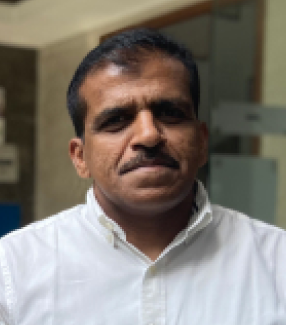
M.K. Padma Kumar is involved in developing strategies and managing operations for the IPE Global Group.
He has over 25 years of experience in the development sector, working in civil society organisations and international development agencies like DANIDA and DFID. As the Head of State Partnerships at the DFID India, he was responsible for developing partnerships, programme design, management and strategic oversight of all programmes implemented in Bihar, Madhya Pradesh and Odisha. He has managed various development programmes. His expertise lies in driving operational, financial and programmatic transformations. Before DFID, he was associated with Danish International Development Agency (DANIDA), Help Age and World Wildlife Fund.
He holds a Master’s degree in Business Management with specialisation in Human Resource Management and Finance. He is extensively trained in Project Cycle Management, Grant Management, Performance Management, Leadership Skills and Change Management.