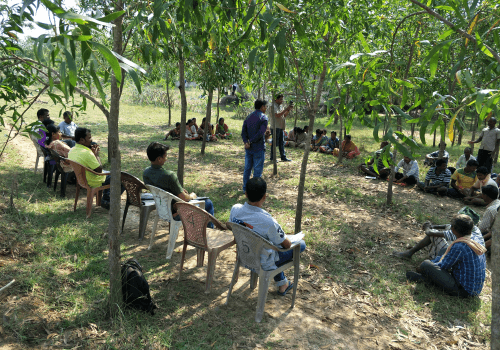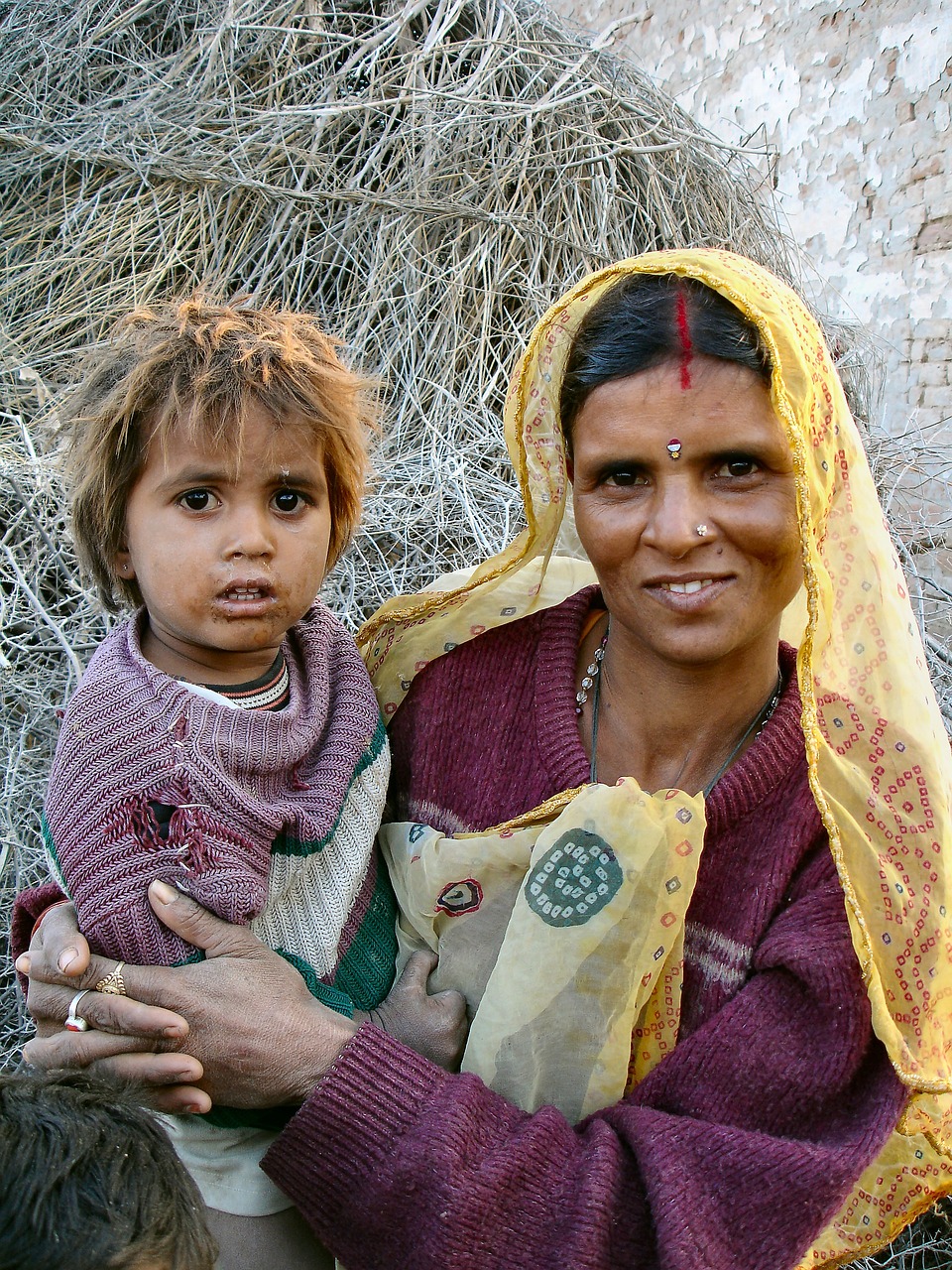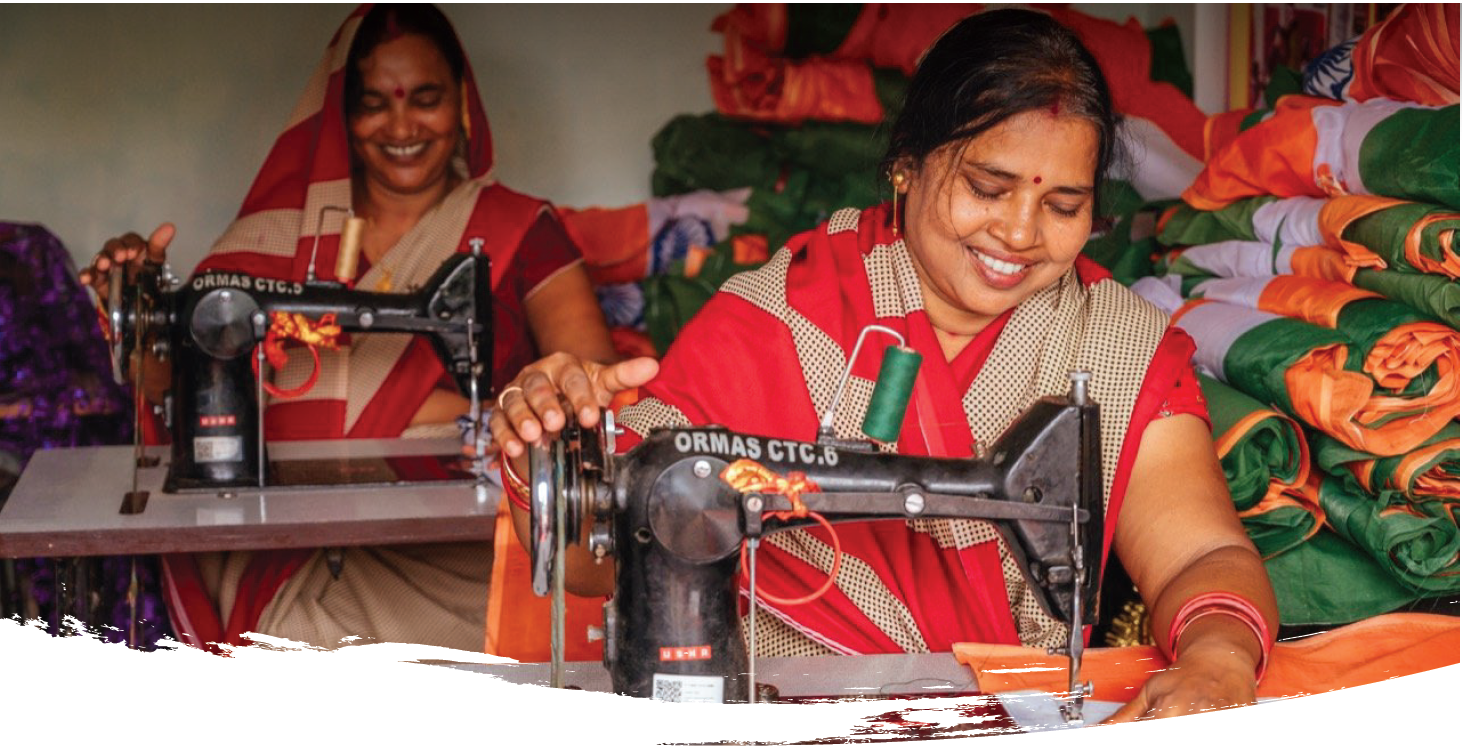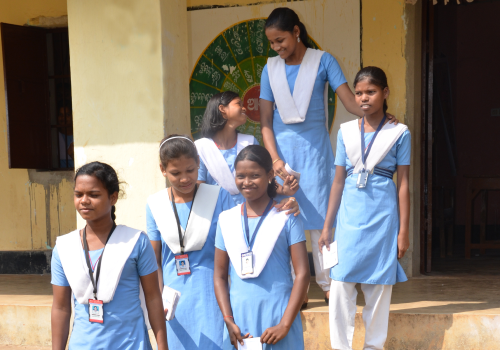


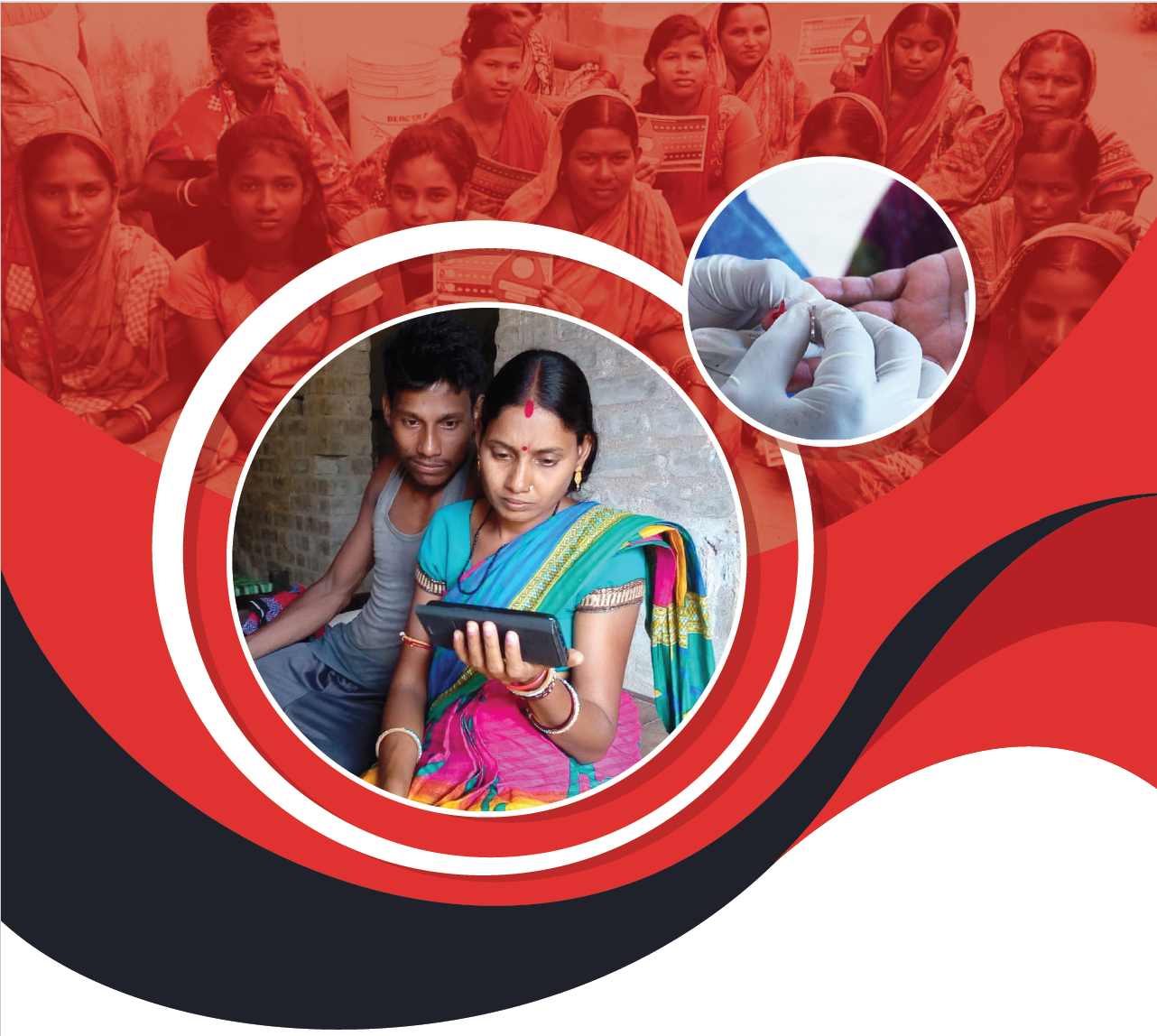
RANI was a clustered randomised controlled trial that tested the ability of a norms-based behaviour change intervention to reduce anaemia. The project supported the National and State Governments’ anaemia reduction endeavours among Women of Reproductive Age (WRA) (15-49 years). Using an innovative package of interventions, RANI promoted changes in social norms, knowledge, attitudes, and behaviours of WRA and pregnant women in Odisha to increase initial intake and adherence to iron and folic acid (IFA) consumption and reduce anaemia.
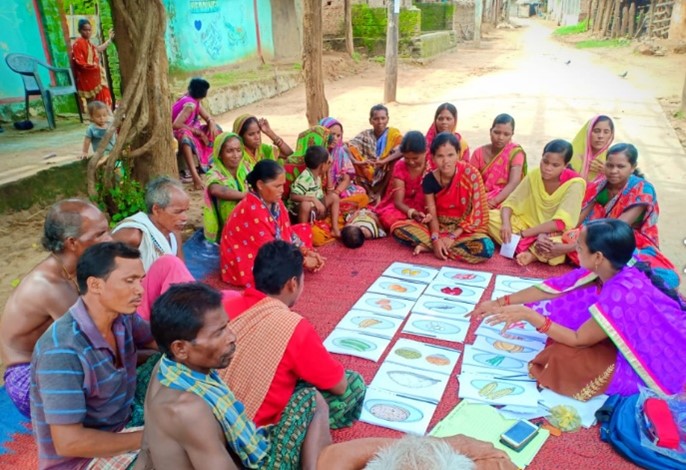
As a local research and implementation partner, we collaborated with Odisha Livelihood Mission, leveraging the strength of the Self-Help Groups (SHGs) promoted by them. RANI was based on a unique design, a first-of-its-kind initiative integrating the social and behavioural norms affecting an individual, key influencers, and the larger community to drive change.
Strategic Approach
- Lower rates of anaemia among women in rural Odisha
- Identify the social norms that impact behaviours related to anaemia
- Design innovative social norms solutions that facilitate iron folic supplement use
- Engage with self-help groups, health workers, and the general population in Odisha
Impact
- 130 treatment villages.
- 17,000+ women participated.
- 16,800+ WRAs were tested under the programme and were made aware of their haemoglobin levels.
- 12.5% reduction in the proportion of anaemic women in the treatment arm at the Project endline.
- 88% increase in self-reported Iron Folic Acid (IFA) consumption in treatment villages.
- 0.34 g/dL improvement in haemoglobin levels was observed in the RANI project at the end of the intervention.