



Shaurya Garg
Shaurya Garg is a Senior Analyst with the Social and Economic Empowerment team at IPE Global. A Gold Medalist in Social Work from Amity University, Noida, and a law graduate in Energy Laws from UPES, Dehradun, she is an avid writer, passionate about driving change and uplifting marginalised communities.
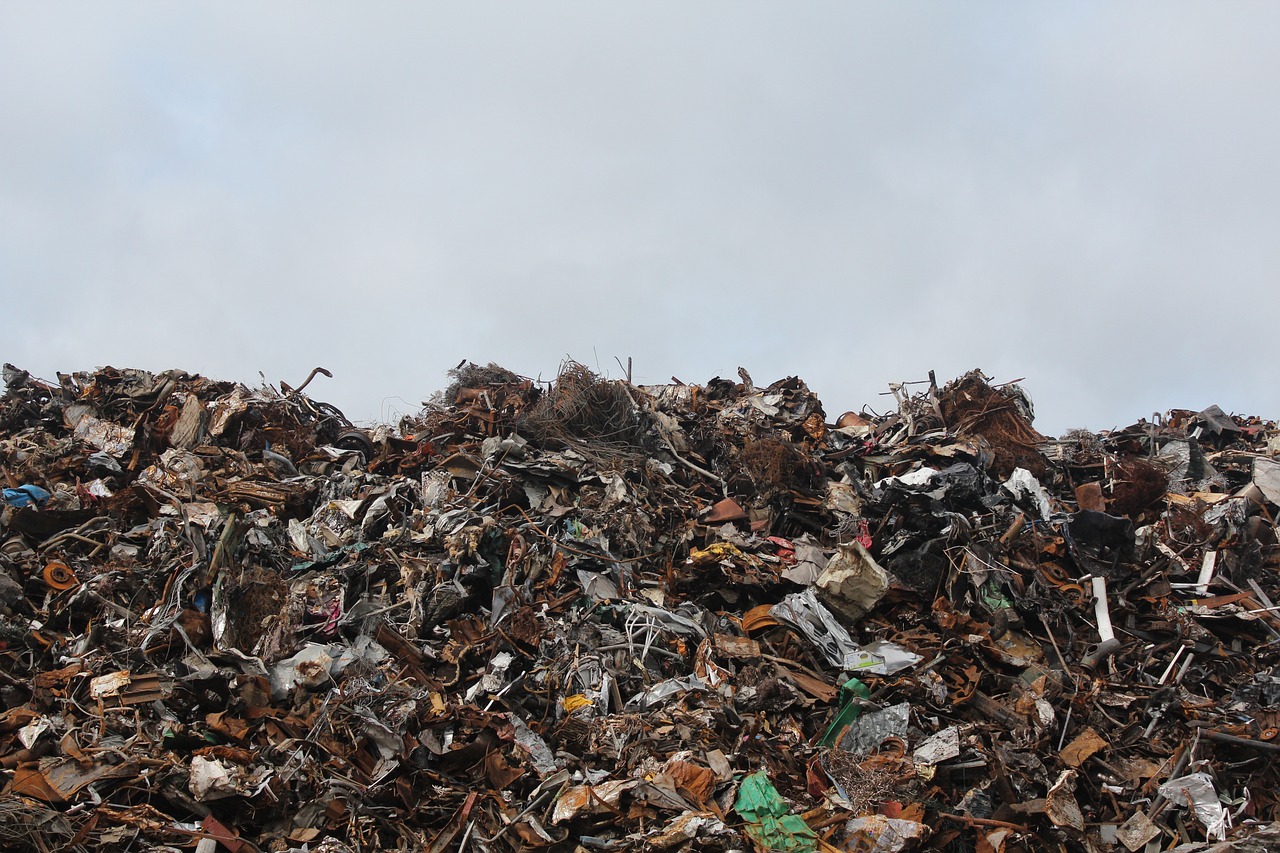
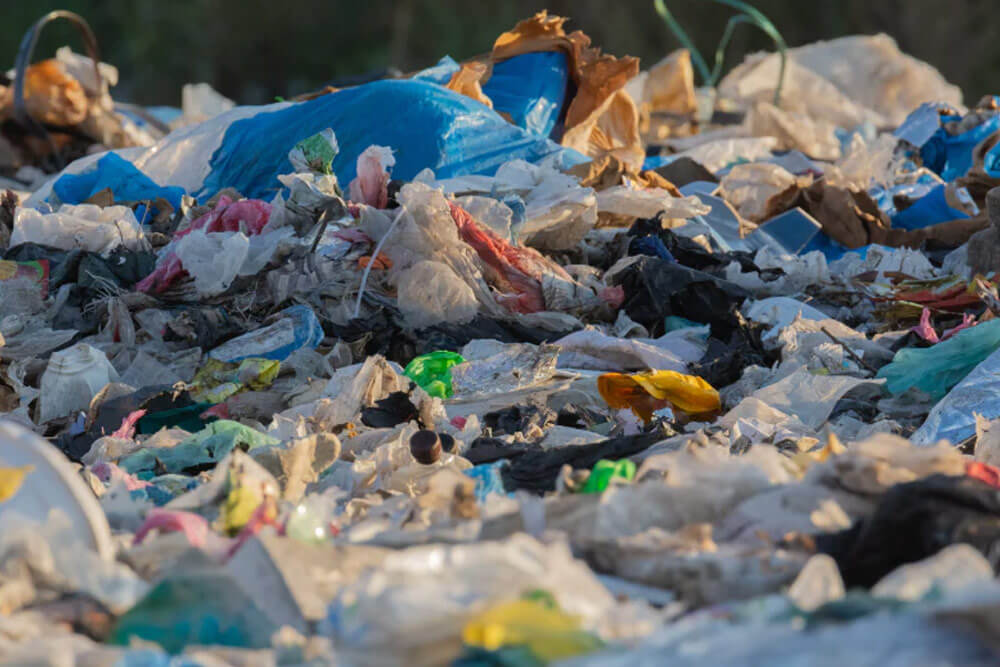
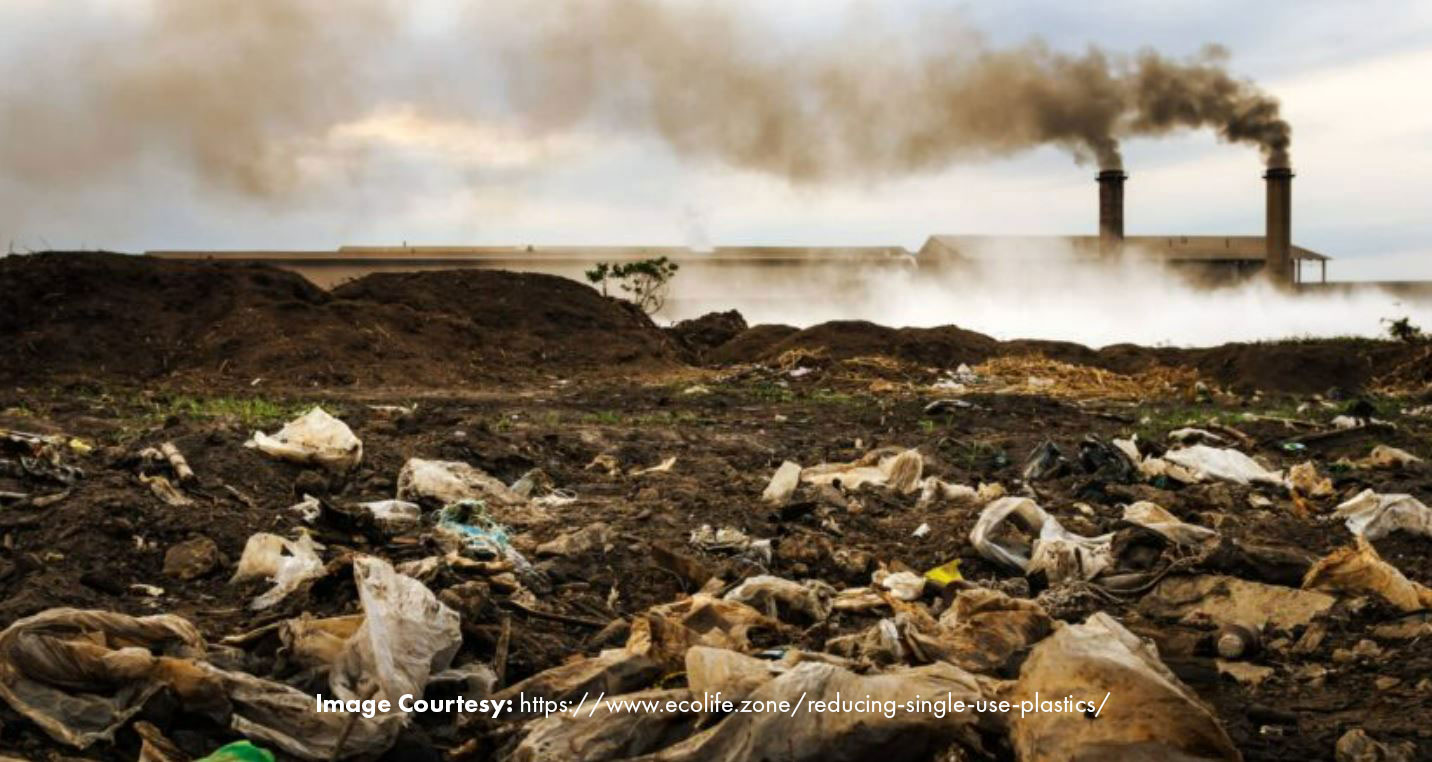
India’s cities generate 62 million tons of waste yearly, much of it unmanaged. You might wonder how one nation tackles this. ‘Swachhata Hi Seva,’ launched in 2017, plays a big part in this fight. This campaign, part of the larger Swachh Bharat effort, calls for everyone to join in cleaning up. It is conducted for two weeks each year. Through it, India aims toward a waste-free future, linking daily choices to national goals.
During the Swachh Bharat Diwas 2024, Prime Minister Narendra Modi emphasised the importance of adapting waste management strategies to rapid urbanisation. He stressed that “True change happens when every citizen embraces cleanliness as their duty and responsibility.. cleanliness should be an instinct of every individual and it should be done everyday”. His commitment to the Mission is further underscored by his appreciation of grassroots initiatives, such as the “Green Rolling” initiative in Arunachal Pradesh and city-wide segregation efforts in Panaji.
Is this something that cannot be done? No, India has seen examples with its own states like Indore, which has been named the cleanest city in the country for the 8th time this year in the Swachh Survekshan survey. This shows that it is more of a behavioural challenge than a systemic one. It is true that policies and infrastructure are only as effective as the people who implement them. There are various initiatives taken by the Government, the private sector, think tanks, civil society organisations, and startups in this area. From developing roads out of waste, converting municipal solid waste into energy, mandating manufacturers to collect back electronic waste for recycling, promoting smart bins, to GIS-based waste collection mapping, organisations have been stepping up to the challenge.
CSR organisations are also playing a crucial role in this sector. Startups and established companies are collaborating with municipalities on piloting projects for waste collection and recycling. They are offering unique solutions to the waste segregation problem:
- Comprehensive services for bulk waste generators like corporates and tech parks
- Recycling and upcycling waste into artistic and functional products like office accessories, games, home décor, etc.
- On-demand scrap collection through mobile applications
- Developing smart waste compactor bins
Architects and urban waste management firms are also important here, designing waste-sensitive urban spaces and planning efficient waste collection systems. Recently, waste management at the pilgrimage sites of Kedarnath and Badrinath came under scrutiny before the National Green Tribunal. The surge of tourists during the yatra season created vast amounts of solid waste. This issue worsened due to the heavy reliance on horses to transport pilgrims and supplies. With unclear municipal boundaries and fragmented governance among local authorities, temple committees, and state agencies, accountability became problematic. Such jurisdictional ambiguities and a lack of integrated planning often hinder the
implementation of effective waste management strategies, particularly in regions with high ecological sensitivity and transient populations.
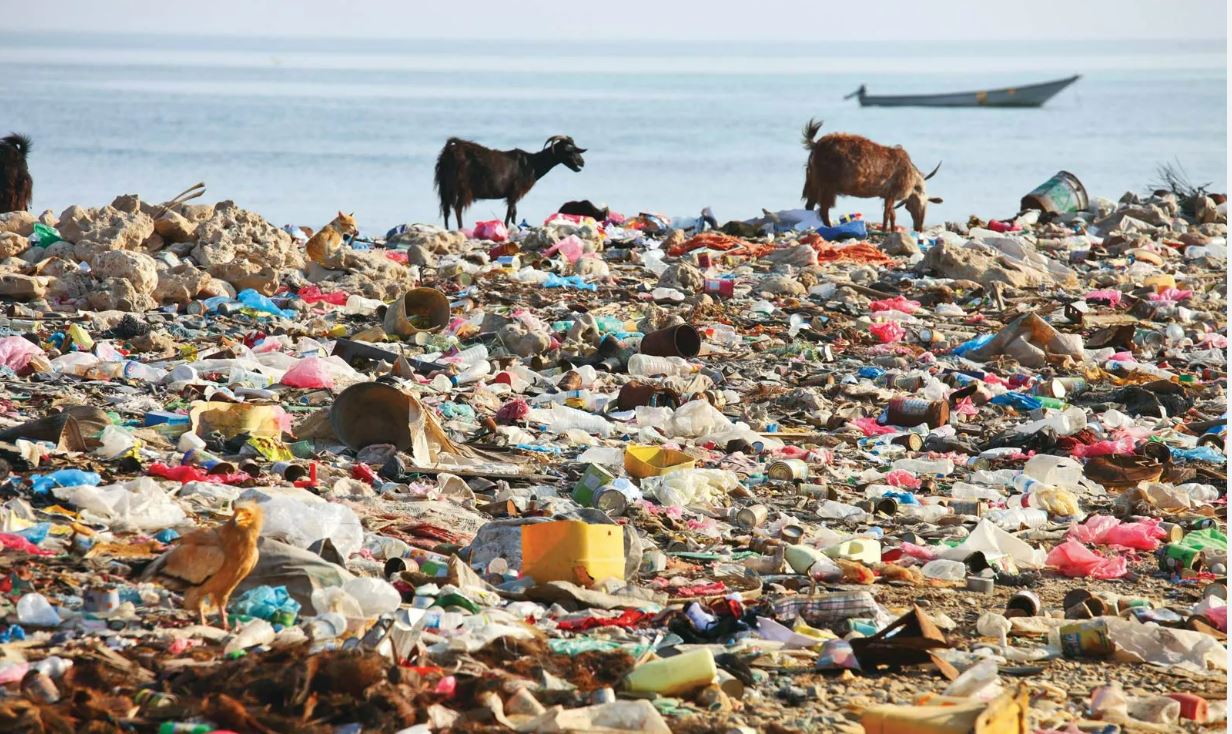
Addressing these gaps requires not only better planning and coordination but also recognition of the people who drive waste recovery on the ground. India’s overflowing landfills, polluted rivers, and unmanaged plastic waste often grab international attention, overshadowing the progress we have made and affecting our global image. More than government or private sector actions, this calls for a behaviour-driven change. A convenience-based attitude has been our way of life for a long time; however, what we require today is an attitude of empathy, realising that maintaining cleanliness in our environment saves time and energy for others. One good measure is to include cleanliness in the school curriculum and instil these values in classrooms at a young age. Establishing a culture of cleanliness in India will require long-term commitment, joint efforts, and a change in fundamental social attitudes, but it is a path worth embarking upon.
This shift in mindset and practice is not only crucial for local communities but also aligns directly with the global Sustainable Development Goals (SDGs), specifically, SDG 11 (Sustainable Cities and Communities) and SDG 12 (Responsible Consumption and Production). These SDGs focus on prudent utilisation of resources, minimising pollution, and developing cleaner, healthier cities. Through the integration of behaviour-driven initiatives with technology-driven and socially conscious waste management systems, India can make significant contributions toward both its national development goals and international sustainability targets.
Reference: https://www.pib.gov.in/PressReleseDetailm.aspx?PRID=1667099#:~:text=With%20an%20ever%20increasing%20population,of%20’Wealth%20from%20Waste